
Training for Recent Veterinary Graduates
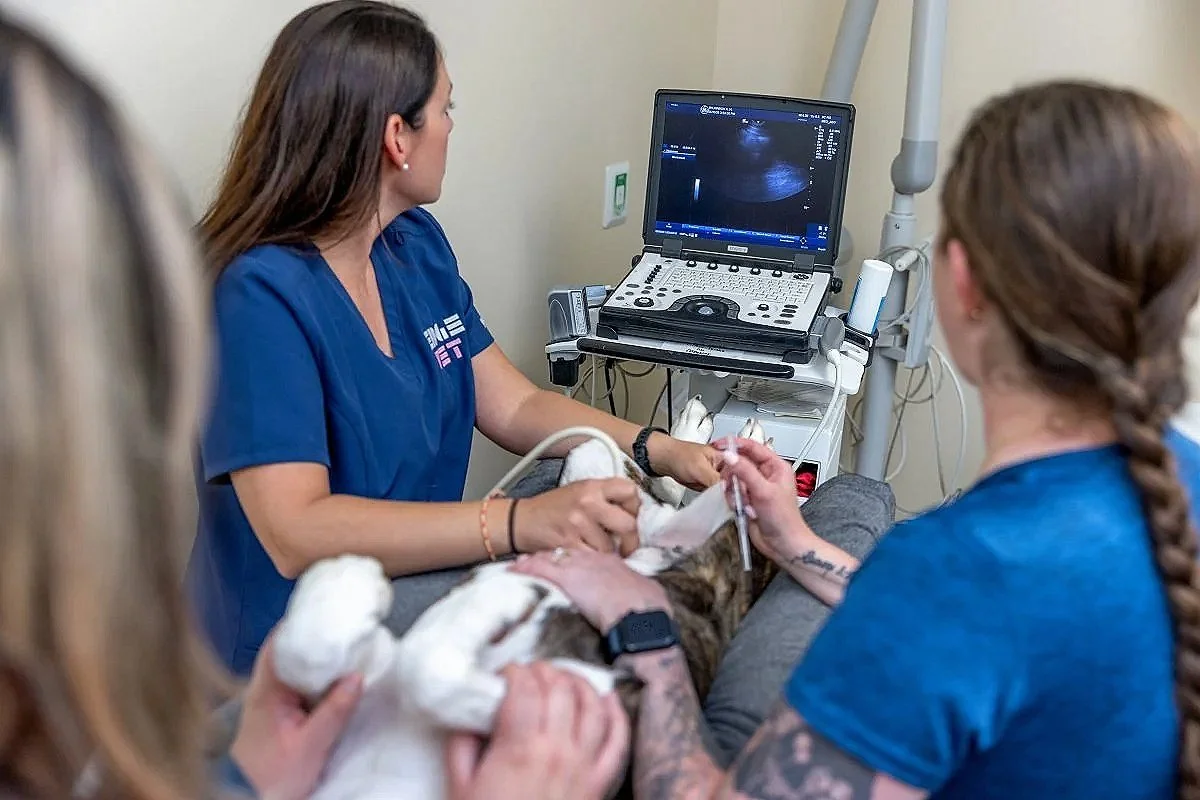
Veterinarian training builds upon a strong foundation of medical knowledge while offering practical guidance to refine surgical efficiency, diagnostic skills, and case management. These sessions are tailored to individual goals and clinic needs, with mentorship designed to boost confidence and proficiency.
All veterinarians receive training in gold-standard techniques to ensure consistency and maintain the most current knowledge and skills.
Key training areas include:
Surgical Skills: from efficient ovariohysterectomies to advanced surgeries like cystotomies, splenectomies, and mass removals
Dentistry: dental extractions and radiograph interpretation
Exam Room Proficiency: improving communication, efficiency, and staff utilization
Anesthesia & Analgesia Planning: designing safe, effective patient care plans
Complicated Case Management: consultation and guided decision-making for challenging cases
Still Have Questions?
-
YES! Dr. Stewart has over twenty years of general surgical experience. She will scrub-in with the new graduate to offer tips, improve efficiency, and build surgical confidence.
-
Efficiency starts with team collaboration. This starts with each person on the team understanding their role for the day. New veterinarians will gain leadership skills on how to manage their surgical day with best practices. The support team will feel empowered to assist the veterinarian, maintain an efficient workflow, prioritize patient care, and communicate key updates as needed.
-
EdgeVet offers personalized guidance for new graduates, focusing on confidence in clinical decision-making, effective utilization of technical staff, and delegation of non-veterinary task to enhance workflow. Our support is tailored to align with your hospital’s unique operations and appointment schedule.
-
At EdgeVet we LOVE training and mentoring new graduates! Dr. Stewart will help alleviate the workload of busy staff veterinarians by providing dedicated one-on-one training. This personalized support builds the new graduate’s confidence, enabling them to manage a larger caseload, perform more complex surgeries, and ultimately contribute to increased hospital revenue.
Contact us
Every veterinary team has untapped potential.
Let’s partner to unleash it—together. Contact Dr. Artise Stewart: edgevet@edgevettraining.com
Currently training in North Carolina and South Carolina.